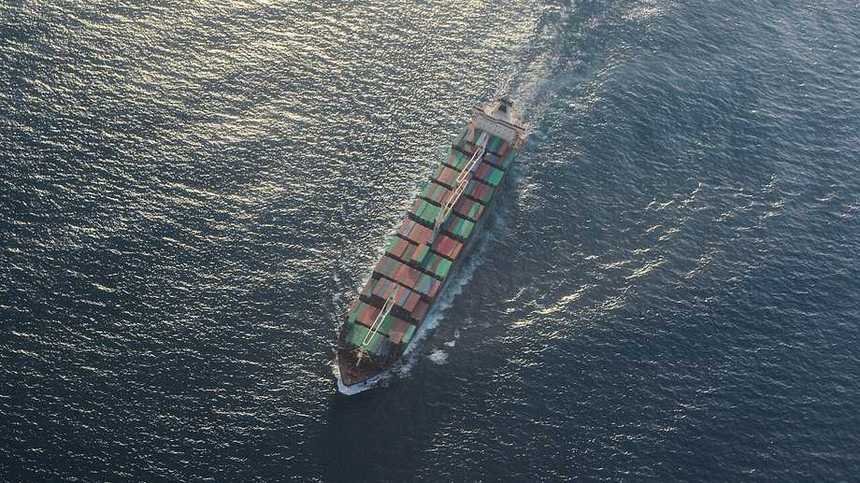
Pakistan's coastline runs for roughly a thousand kilometres, from the Indus Delta to Gwadar, and a great deal of the country's life runs along it: two major ports, the Karachi fishing fleet, mangrove forests that shelter young fish and buffer storm surges, and at Gadani one of the world's largest shipbreaking yards. When oil or chemicals hit that water, the people who find out first are usually the people it harms — fishing crews who haul up fouled nets, communities who smell it on the beach. Official confirmation, when it comes, often comes days later.
That delay is the problem we decided to work on. A spill is cheapest to fight in its first hours, while it is still a slick that can be contained and the vessel that caused it is still identifiable. Spread over days of tide and wind, the same spill becomes a coastline problem with no clear culprit. Early warning is not a luxury in pollution response; it is most of the value.
BlueGuard AI, the research platform we are building at AstolixGen, watches the sea with three kinds of evidence. The first is satellite radar: Europe's Sentinel-1 satellites image the sea surface day and night, through cloud, and oil slicks show up in radar as dark patches because oil calms the water's surface roughness. The second is AIS — the automatic identification system every large vessel broadcasts — which tells us which ships were where, and when. The third is the water itself: sensor buoys and shore stations measuring the quality indicators that change when pollution arrives.
Each source alone is weak. A radar dark patch might be oil — or it might be a natural slick, an algal bloom, or even the defensive ink of mayya, the squid and cuttlefish our local fishermen know well, whose declining catches are their own pollution story. A ship track alone proves nothing about what it discharged. Water sensors are precise but only where they float. Fused together, though, the three become an argument: a radar anomaly, at this time, in water where exactly one vessel loitered with a gap in its track, upstream of sensors now reporting changes. BlueGuard's job is to assemble that argument automatically, score the risk, explain the reasoning, and hand a human an incident worth acting on.
Gadani deserves a specific word. Shipbreaking is honest, dangerous work that feeds thousands of families, and it happens on open beach — which means rust, paint, oil and heavy metals have a short path into the sea. Any credible monitoring story for Pakistan has to include the yards, not just the shipping lanes, and ours does: the coastline zones the platform watches include the shipbreaking coast as a first-class area, not an afterthought.
Honesty about status, because our readers deserve it: BlueGuard today is a working research prototype, not a deployed national system. The dashboard, the incident workflow, the vessel tracking and the risk analysis are built and running; the satellite detections it currently displays are imported from an established open detection service while we develop our own model, and the sensor network is designed and simulated rather than floating off Clifton. The platform is open source, built on free satellite data and open ship-tracking feeds, precisely so that a university, an NGO or a port authority can pick it up without a procurement saga.
Why would a small Karachi technology company build this? Because we know this coast the way you only can from working on it, and because the tools to watch it have quietly become free. A decade ago this needed a navy's budget. Today the satellites broadcast to everyone; the missing piece was software that connects what they see to what it means. That piece is buildable — so we are building it, in the open, and we would rather be judged on the work than on claims about it. The project pages and our contact page are open if you want to collaborate, test it against your stretch of coast, or tell us what we're missing.